
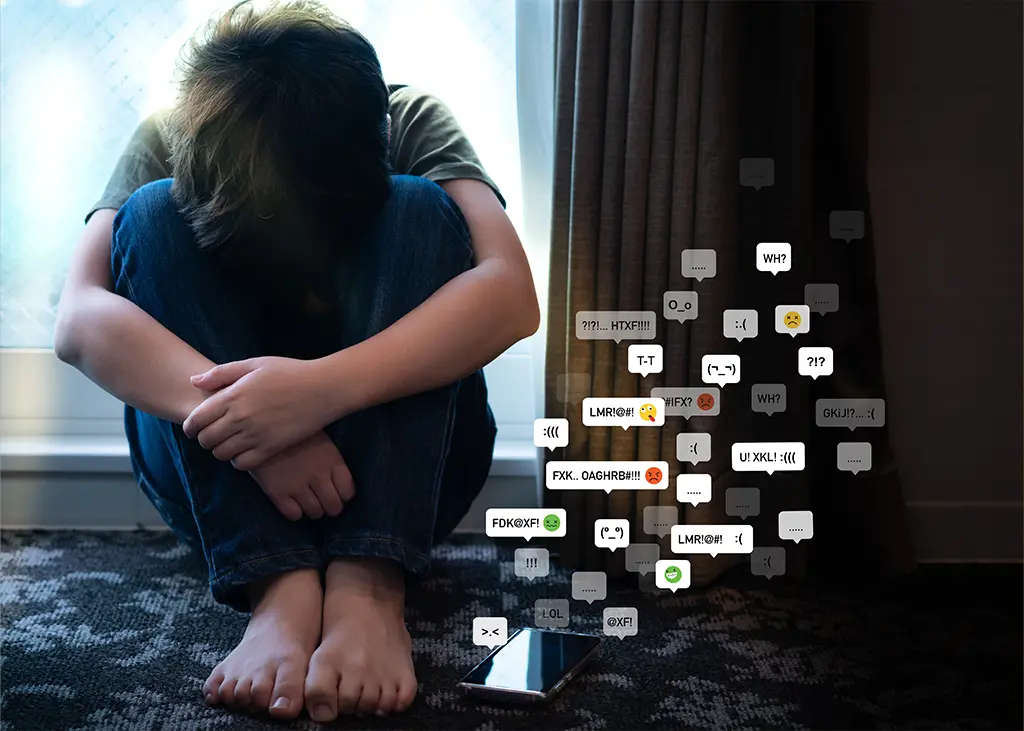
Cyber bullying
Understanding Cyberbullying: Definitions and Forms
Cyberbullying refers to the deliberate and repetitive use of electronic devices like computers, cell phones, and other digital tools to cause harm to another individual. It’s particularly prevalent among young people, where minor disagreements on social media can quickly escalate into widespread humiliation, defamatory name-calling, and derogatory remarks that violate a person’s dignity.
Many experts consider cyberbullying to be more insidious than traditional bullying. While victims of physical bullying can often find respite by removing themselves from the immediate environment, online bullying can follow them everywhere, amplifying its detrimental effects on their well-being. The constant digital connection means teenagers are exposed to a potentially unsafe psychological environment, even when physically safe at home. This can lead to victims repeatedly reviewing hurtful content, perpetuating the psychological damage.
The audience for hurtful content online is also limitless. Negative posts can be easily shared and disseminated, leading to the humiliation and embarrassment of the target spreading far and wide with lasting, difficult-to-reverse effects.
Cyberbullying can manifest in various ways, including:
- Cyberthreats: Posting information online that incites violence against a targeted person or group or even coerces individuals into self-harm. These can be direct statements (“I’m going to kill you”) or indirect suggestions of worthlessness.
- Cyberstalking: Repeatedly sending threatening emails, messages, or engaging in other online behaviours to harass and intimidate a target, mirroring in-person stalking but through digital means.
- General Harassment: This broad category includes using technology to embarrass, threaten, humiliate, or otherwise bother peers.
Other common examples of cyberbullying include:
- Sending hurtful text messages.
- Spreading rumors online.
- Making fun of others publicly.
- Creating fake profiles to mock individuals.
- Posting or distributing private photos or videos without consent.
- Recording and posting fight videos.
- Copying personal information or engaging in identity theft.
- Humiliating others through various online means.
- Photoshopping pictures to make others look bad.
- “Trash talking” or aggressively insulting someone in an online game.
Cyberbullying is perpetrated through virtually any digital platform, including:
- Text messages and mobile phone calls
- Picture/video clips (via mobile phones)
- Emails and Instant Messages
- Chat rooms, websites, and blogs
- Social networking sites (e.g., Facebook, TikTok, Instagram)
- Online gaming platforms
The Alarming Reality: Statistics and Consequences
Recent global statistics highlight the pervasive nature of cyberbullying and its devastating effects. In South Africa, the situation is equally concerning. Local research indicates that South African youth experience cyberbullying at significant rates, often comparable to or even higher than global averages.
Consequences for Victims and Perpetrators
For the victim, cyberbullying can lead to profound harm:
- Loss of self-confidence
- Depression and anxiety
- Social and emotional withdrawal
- School absence and a drop in academic performance
- Self-harm and suicidal ideation, attempts, or acts
For the cyberbully, there are also serious consequences:
- Account deletion: Websites and platforms can terminate accounts for violating terms of service.
- School disciplinary action: This can range from warnings to suspension or removal from school sports teams.
- Legal charges: In some cases, online harassment can lead to criminal charges.
Tech companies often employ similar principles. News feeds are designed to auto-refresh, encouraging endless scrolling. Video and social media platforms use autoplay features, immediately starting the next video without a conscious choice. A significant portion of online traffic is driven by algorithms learning our habits, keeping us engaged.
Sexting: A Unique and Risky Digital Behaviour
The ubiquitous use of cell phones among young people has also raised concerns about their role in intimate interactions, particularly regarding sexting. This involves the exchange of sexually explicit messages, nude or partially nude photos, or videos via mobile phone texting or instant messaging.
When it involves minors, the exchange of such images can, in serious instances, be classified as child pornography, which carries severe legal penalties. Research also suggests a correlation between engaging in sexting and increased sexual activity among young individuals.
Cyberbullying and the Law in South Africa
South Africa has made significant strides in addressing cyberbullying legally. The Cybercrimes Act (Act 19 of 2020), which came into full effect in 2021, is a crucial piece of legislation that directly criminalizes many acts of cyberbullying. This Act makes it an offense to unlawfully and intentionally send, transmit, or make available any data message that incites violence or damage to property, or that is harmful, intimidating, or promotes or facilitates the commission of an offense.
Beyond the Cybercrimes Act, perpetrators of cyberbullying can face charges under existing criminal and civil laws:
- Crimen Injuria: Involves the intentional and serious violation of another person’s dignity or privacy (e.g., using inappropriate or racially offensive language to humiliate).
- Sexual Exploitation and Grooming: Relates to abusing power to obtain explicit images or engage in predatory conduct aimed at preparing a child for sexual activity.
- Assault: Any intentional, unlawful act that violates a person’s bodily integrity or instills fear of harm.
- Criminal Defamation: The intentional and unlawful publication of material that significantly damages a person’s reputation (e.g., posting false information on social media).
- Extortion: Blackmail involving the use of specific information or images to coerce a victim into providing favors.
When the cyberbully is a child, specific legislation like the Child Justice Act applies. While a child under 10 may not have criminal capacity, they can still face consequences, such as referral to counseling and other interventions.
Civil Remedies for Victims:
Victims of cyberbullying also have civil avenues for recourse:
- Protection Order: A person can obtain a protection order under the Protection from Harassment Act against the cyberbully. While a child can apply without assistance, guidance from parents or trusted adults is advisable.
- School Disciplinary Action: Parents or guardians can report cyberbully to the school’s governing body, which can lead to a disciplinary hearing and appropriate actions, including suspension.
Crucial Advice: Preserve Evidence! For any legal or disciplinary action, preserving evidence is vital. Take screenshots of posts, text messages, pictures, and do not delete any related communications. This concrete proof is essential for prosecuting perpetrators.
The Demographics and Motivations of Cyberbullies
Cyberbullies can come from diverse backgrounds, regardless of age, gender, race, or social class, though pre-teens and teenagers are most involved. While both males and females can engage, studies show mixed findings on prevalence by gender. Female bullies may rely more on spreading rumors and gossip, while male students are often more likely to send threatening messages or images.
Characteristics of Cyberbullies:
- Anonymity: The ability to remain anonymous online often increases their perceived power and reduces the perceived risk of retaliation or remorse due to the lack of immediate emotional feedback from the target.
- Control and Power: Cyberbullies often seek to exert control and overpower their targets.
- Constant Access: They thrive on the ability to access their targets 24/7.
- Overexaggerated Online Persona: Some may have an inflated sense of their online abilities or persona.
- Personality Traits: Studies suggest correlations with low internal moral values, low agreeableness, high neuroticism, narcissism, and sometimes even low self-esteem.
- Moral Disengagement: Cyberbullies often “detach” their moral compass, downplaying the harm they cause and viewing their actions as mere entertainment. Many respond with “I do it for fun” or “I was just entertaining myself.”
Safeguarding Your Child from Digital Harms
For parents, navigating the digital world with children, especially teenagers, brings valid concerns about online predators, cyberbullying, scams, and inappropriate content. Protecting your child requires active involvement, education, and open communication. It’s not about invading privacy, but about fulfilling your role as the guardian of their emotional and psychological well-being.
Consider these guidelines for proactive parenting in the digital age:
- Establish clear boundaries
- Monitor digital exposure
- Protect younger siblings
- Understand digital content
- Educate and empower
- Be present and Engaged
The Tactics of Online Predators
Online predators employ a specific approach to manipulate and exploit teenagers, preying on their vulnerabilities and insecurities. By showering them with attention and treating them as adults, predators target teenagers with low self-esteem, instantly boosting their sense of self-worth and validation. This sudden empowerment can make the teenager feel understood and confident.
Oftentimes, these criminals gather personal information about the child or teen and skillfully use it during conversations to establish a connection. They may discuss shared interests such as music, fashion trends, sports teams, or hobbies, leading the teenager to believe that this person understands them better than anyone else, even their own family. Once the predator gains the teenager’s trust, their behaviour can shift towards manipulation and intimidation.
This behaviour is commonly referred to as “online grooming,” where a predator, typically an adult, seeks to establish a relationship to exploit the trust of a child or teenager. This process can occur over a short period or be prolonged. Initially, the online conversations may appear innocent, but they often involve deception.
As trust develops, the groomer may introduce sexually explicit discussions to test boundaries and exploit the child’s natural curiosity about sex. Predators frequently employ pornography, including child pornography, to reduce a child’s inhibitions and exploit their vulnerable state, using their adult status to exert influence and control over the child’s behaviour.
There are three categories of social networking criminals:
- No preference: take anyone who is available.
- Pedophile: prefers children under adolescence.
- Preferences: likes a specific age group, twelve- to fourteen-year-old girls, and these predators’ profiles are usually the same as a serial killer.
A youth may be being cyberbullied if he or she:
- unexpectedly stops using their device(s).
- appears nervous or jumpy when using device(s.)
- appears uneasy about being at school or outside.
- appears to be angry, depressed, or frustrated after texting, chatting, using social media, or gaming.
- becomes abnormally withdrawn.
- avoids discussions about their activities online.
A youth may be cyberbullying others if he or she:
- quickly switches screens or hides their device.
- uses their device(s) at all hours of the night.
- gets unusually upset if they cannot use a device(s)
- avoids discussions about what they are doing online.
- seems to be using multiple online accounts, or an account that is not their own.
In general, if a child’s behaviour deviates from their typical patterns while using these devices, it is crucial to investigate the reasons behind the change. Paying close attention to these clues can help protect children from the dangers of online predators and cyberbullying.
Considerations for Children and Parents Regarding Online Safety
- Limit online time: Research indicates that the risk of experiencing sexual abuse or cyberbullying increases with the amount of time teenagers spend online. It is advisable to set a maximum limit of two hours per day.
- Set a parental example: Parents should be mindful of their own online habits. If children observe their parents spending excessive time on the internet or in chat rooms, they are likely to follow suit.
- Computer placement: Place the computer in an open and easily accessible area within the house. This allows for better monitoring and supervision of online activities.
- Caution regarding personal information: Educate children about the presence of online criminals and the importance of never sharing personal information with anyone. Remind them to be wary of social media posts that prompt them to reveal personal details, as this can be a tactic used by online predators. The Council for Scientific and Industrial Research (CSIR) has cautioned against oversharing personal information online.
- Think before sending: Teach children not to send anything online that they wouldn’t want their parents, teachers, principal, or the police to see. Instill the importance of responsible online behaviour and the potential consequences of sharing inappropriate content.
- Be cautious with unfamiliar devices: Parents should be vigilant if their child brings home a cellphone, camera, or web camera that they did not purchase. It could potentially be an individual with ill intentions seeking inappropriate pictures of the child.
- Regularly update passwords: Reset computer and Wi-Fi passwords on a regular basis to enhance security and minimize the risk of unauthorized access.
- Balancing privacy and supervision: There is a delicate balance between respecting a child’s privacy and ensuring their safety. It may be in the child’s best interest to occasionally check their computer and request a list of friends they interact with online.
- Familiarize yourself with chat rooms: Stay informed about the chat rooms your child visits. Understand their features, rules, and potential risks associated with them.
- Watch for signs of obsession or addiction: Pay attention if your child shows signs of excessive internet or cellphone use, such as staying up late at night to be online. If you become aware of prolonged interactions with a particular person, especially someone unfamiliar to you as a parent, it may warrant further investigation.
- Foster trust and open communication: Build confidence within your child so they feel comfortable coming to you if they become a victim of a criminal or cyberbully. Assure them that they will not be condemned or punished for seeking help.
- Establish boundaries for online discussions: Teach your child that certain topics should not be discussed online. Make them aware of the importance of maintaining privacy and avoiding potentially harmful conversations.
- Ensure computer protection: Safeguard your computer against viruses that can expose your child to inappropriate or obscene content. Regularly update and utilize reliable security software for protection.
- Promote respect online: Teach your child to treat others with respect in their online interactions. Emphasize the importance of empathy, kindness, and responsible digital citizenship.
By considering these aspects, children and parents can work together to create a safer online environment and protect against potential risks and dangers.
life online
related resources
An in-depth look into the modern digital life, we discuss advantages, disadvantages and solutions. Select your topic and immerse yourself.


